Life is not easy for anyone. Every person faces challenges. Some big, some small. But no one gets through life without struggle. At times, we feel discouraged or think that others have it better than us. We look at people with more money, more success, or more comfort and feel like we are missing something. But happiness doesn’t come from comparing ourselves to those who have more. It comes from appreciating what we already have and that is the heart of gratitude.
Living a life of gratitude means focusing on the good instead of what we lack. One way to do this is to look at people who have less than we do, not to feel proud, but to gain perspective. There are many people in the world who do not have access to clean water, safe homes, or even enough food. Some are facing war, sickness, or loss of family. When we take a moment to think about their lives, we begin to see our own blessings more clearly.
Gratitude helps shift our mindset. Instead of asking, “Why don’t I have what they have?” we begin to ask, “How lucky am I to have what I do?” It helps us value the simple things: a warm bed, a kind friend, or a moment of peace. Gratitude doesn’t mean ignoring pain or pretending life is perfect. It means choosing to see the light, even when it feels dark.
This way of thinking can change everything. We become more patient, kinder, and more content. We stop chasing what we don’t need and start enjoying what we already have. Gratitude can also lead to compassion. When we recognize our own fortune, we may feel more willing to help those who are struggling.
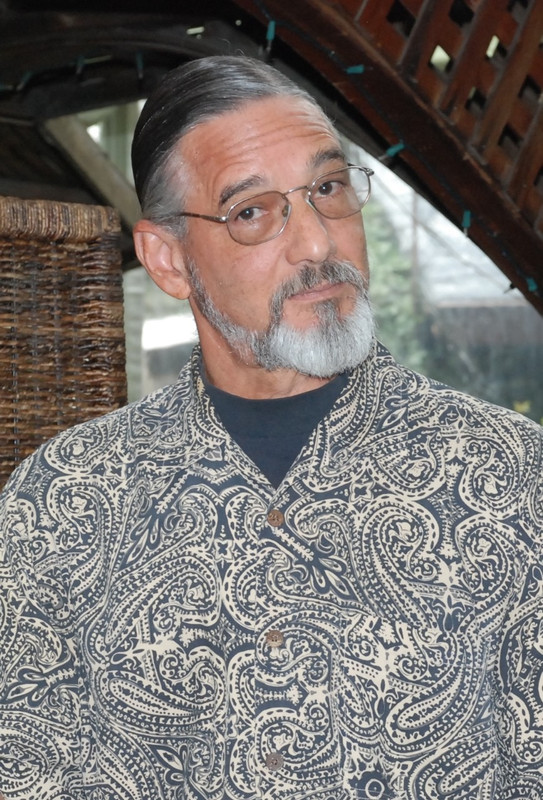
In One Drop Identity: A Memoir in Black & White, author Cliff Kerr shares his life story of being caught between racial identities and fighting to find acceptance. Though his life was filled with pain and confusion, especially being neither “white enough” nor “black enough” in a divided world, Kerr learned to be thankful. As he reached the final years of his life, he found peace not through wealth or recognition, but through gratitude for what he had, and compassion for those who had even less.
Gratitude doesn’t change our past, but it changes how we see the present, and that can make all the difference.